
Van graphics can remain useful for several years, but a general estimate is not a guarantee. A van kept outside through every season has different exposure from one stored under cover, and a bonnet experiences different conditions from a vertical side panel.
The most useful starting point is the specification for the material fitted to your vehicle. Ask about its intended use, care instructions and any warranty terms before treating a general lifespan figure as a promise.
01 · The specification matters
What affects how long van graphics last?
Film choice, installation, the underlying paintwork and day-to-day use all matter. Sunlight, weather, road contamination and repeated abrasion can affect appearance over time. Printed graphics also need a print and protective finish suited to the application.
A manufacturer’s stated durability and an installer’s warranty describe particular products, conditions and terms. They should not be assumed to cover every panel, finish or type of damage. Keep the specification and aftercare advice with your job paperwork.
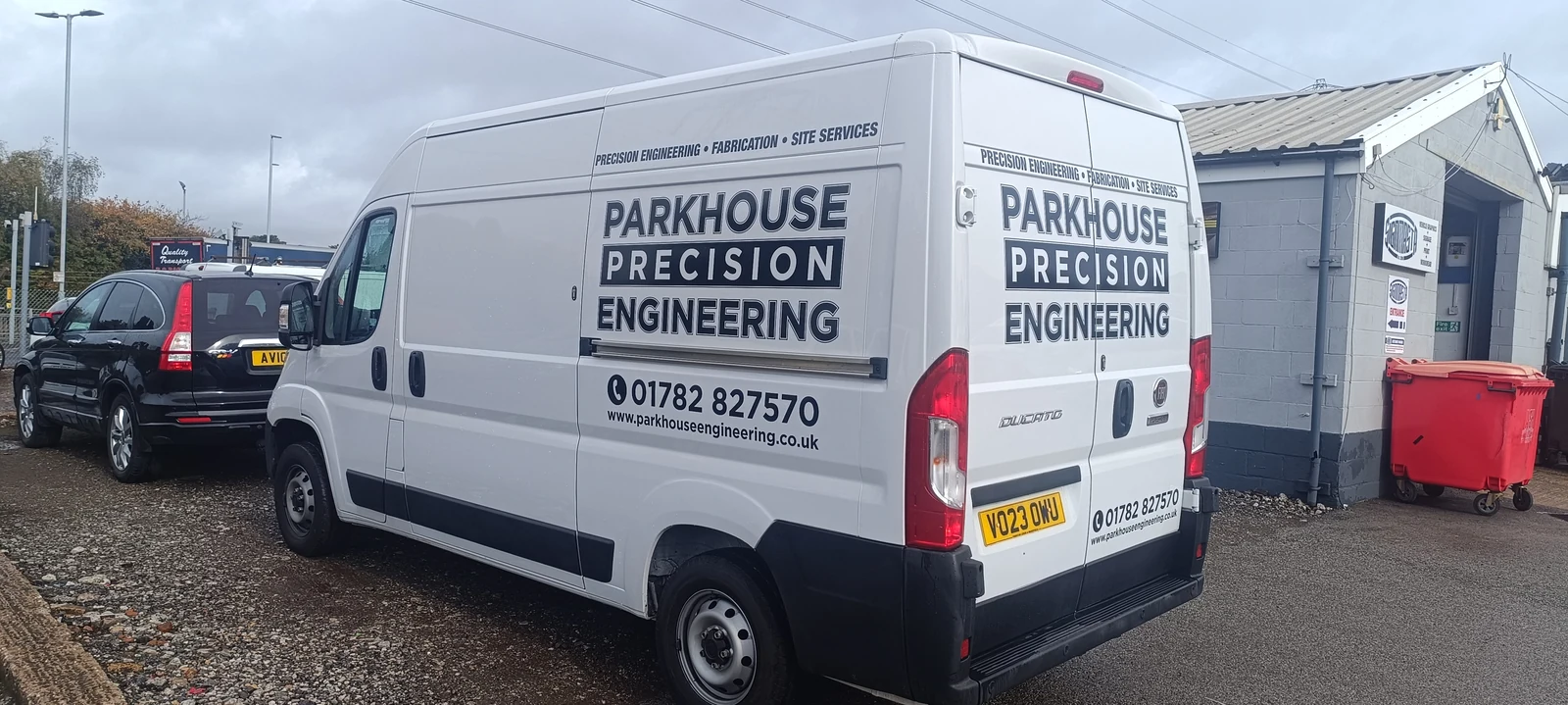
Lettering schemes such as Parkhouse use individual cut-vinyl elements. Partial printed graphics cover more selected areas, while a full wrap uses much more film. Coverage changes the number of edges, joins and panels to inspect, but correct specification and care remain important for every type.
02 · Gentle routine care
Clean van graphics regularly and carefully
Follow the care instructions supplied for the exact film and finish on your van. For routine washing, use a suitable vehicle cleaner, a soft clean wash tool and a thorough rinse. Avoid abrasive pads, scraping at the film or trying an unfamiliar strong chemical directly on the graphics.
Deal with bird droppings, tree sap, fuel spills and road contamination promptly using a method suitable for the film. If normal washing does not remove a mark, ask for advice rather than repeatedly rubbing the same spot.
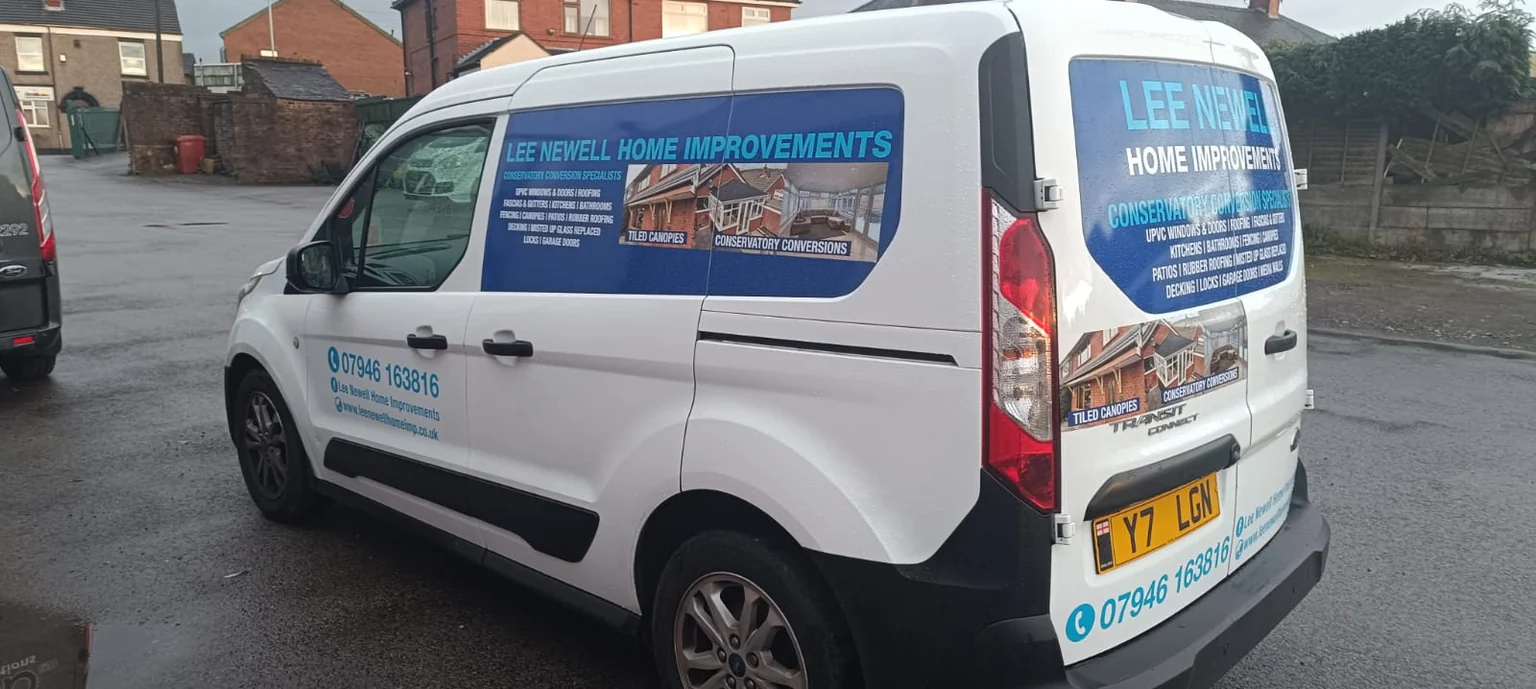
Hand washing is usually the gentlest approach. If using an automatic wash or pressure washer, first check the film manufacturer’s instructions for the fitted product and finish.
03 · Avoid concentrated force
Take care around edges and joins
Do not pick at graphic edges or aim a concentrated pressure-washer jet into them. Water forced underneath the film can contribute to lifting. If pressure washing is permitted for the material, follow its specified distance, temperature, pressure, nozzle pattern and angle rather than relying on one universal setting.
Tell a valeting service that the vehicle has applied graphics and pass on the relevant care instructions. Brushes, harsh chemicals or aggressive cleaning that may be used on bare paintwork can dull, scratch or lift some graphic finishes.
Full-wrap edges and joins need the same careful treatment. A full wrap is extensive coverage, not a maintenance-free protective layer, and its suitability should be discussed for the actual vehicle and paint condition.
04 · Act before damage spreads
Watch for small problems early
Inspect the graphics after cleaning. Look for lifting edges, splits, local fading or damage caused by door contact, loading or an impact. Take a photograph if something changes and contact the installer before attempting a repair.
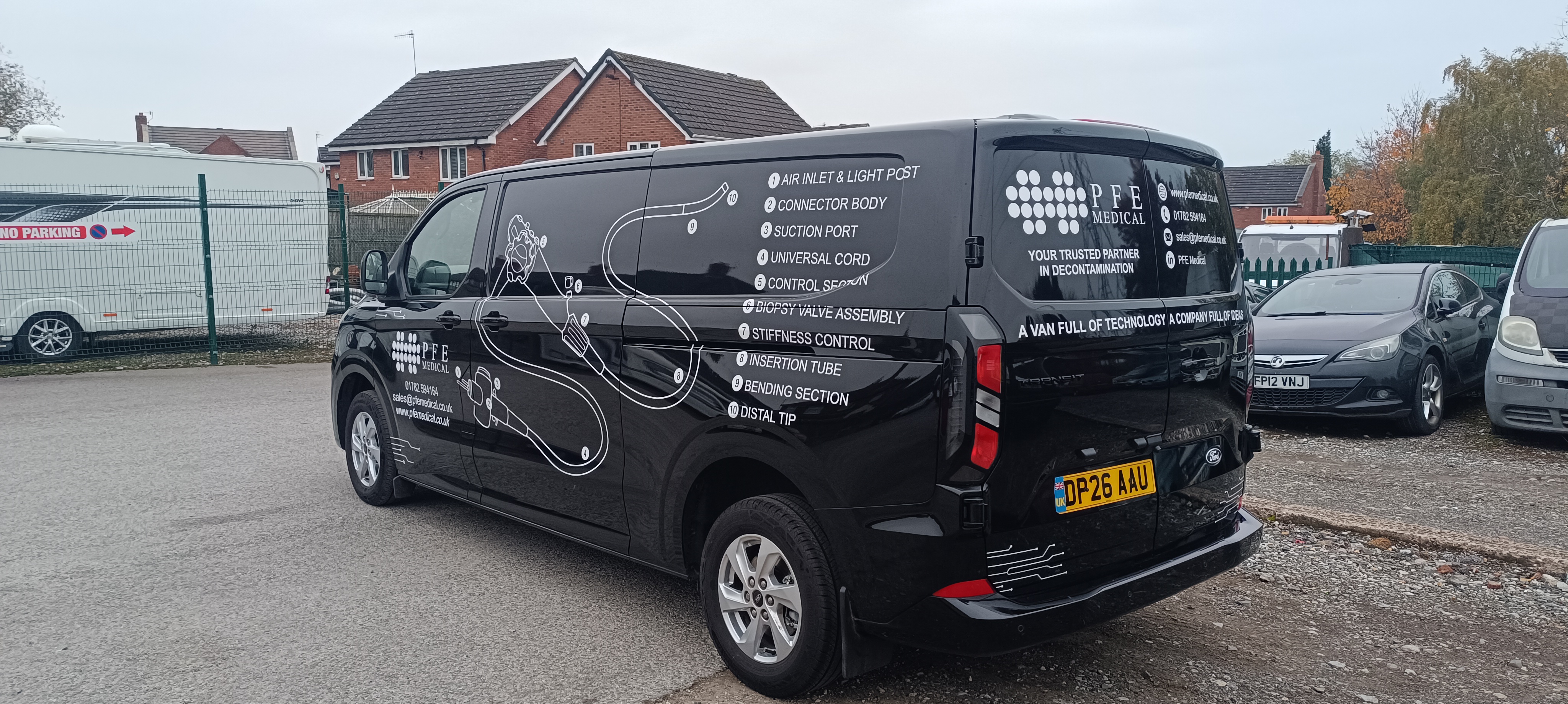
Keeping a record helps distinguish gradual wear from a new incident. It also makes it easier to explain which panel or element is affected, particularly on a larger branding scheme.
- After washing: check edges, corners and joins.
- After loading or an impact: inspect the nearby panel for cuts or lifting.
- After a detail changes: photograph it rather than pulling or trimming the film yourself.
- Before a long journey or vehicle sale: make sure loose material is professionally assessed.
05 · Branding has its own lifespan
The message may need updating before the material does
A changed phone number, new website or different service offer can make otherwise sound graphics outdated. Check the van whenever you update your website, workwear, signs or printed material.
Depending on the original construction, it may be possible to replace selected lettering or one printed panel rather than the whole scheme. Colour differences between old and new material, the condition of the existing film and the original layout will affect the result.
Plan removal as part of the vehicle’s life
Old graphics do not always remove cleanly or quickly. Film age, adhesive, paint condition and previous repairs can affect the work. Do not assume applied graphics guarantee protection for poor paintwork or that removal will reveal a perfectly uniform original colour.
If you are selling, returning or rebranding a van, discuss removal and replacement early. For a leased vehicle, check the relevant return terms before arranging the work.
Ask about care when you order
When discussing van graphics with Signmasta, explain how the vehicle is used, stored and cleaned. Ask what film and finish are proposed, what aftercare applies and what is included in any warranty.
If you are still choosing a scheme, read our guide to lettering, partial graphics and full wraps. To plan the message itself, see what to put on your work van.